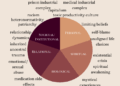

Exploring the transformative impact of wellness centers on the future of healthcare opens up a world of possibilities. From innovative technologies to holistic approaches, these centers are reshaping the landscape of patient care. Let's delve into how wellness centers are revolutionizing the way we think about healthcare.
Importance of Wellness Centers in Healthcare
Wellness centers play a crucial role in transforming healthcare by focusing on preventive care and enhancing overall wellness.
Services Offered in Wellness Centers
- Health screenings and assessments to detect potential health issues early on.
- Nutritional counseling and weight management programs to promote healthy eating habits.
- Physical fitness programs tailored to individual needs to improve overall physical health.
- Mental health services such as counseling and stress management techniques to address emotional well-being.
Focus on Preventive Care
Wellness centers prioritize preventive care through regular check-ups, vaccinations, and lifestyle modifications to prevent chronic diseases and promote long-term health.
Technology Integration in Wellness Centers
Technology plays a crucial role in transforming the way healthcare is delivered in wellness centers. From enhancing patient experience to improving efficiency, innovative technologies are reshaping the landscape of wellness centers.
Innovative Technologies in Healthcare Delivery
- Electronic Health Records (EHRs): EHR systems allow healthcare providers in wellness centers to access patient information easily, leading to better coordination of care and improved patient outcomes.
- Telemedicine: Telemedicine platforms enable patients to consult with healthcare providers remotely, expanding access to care and reducing the need for in-person visits.
- Wearable Devices: Wearable health technologies such as fitness trackers and smartwatches monitor vital signs and activity levels, empowering individuals to take control of their health.
- Virtual Reality (VR) and Augmented Reality (AR): VR and AR technologies are being used in wellness centers for pain management, rehabilitation, and mental health therapy.
Telemedicine and Digital Health Platforms
- Telemedicine has revolutionized the way patients receive care by allowing them to connect with healthcare providers remotely through video conferencing and secure messaging.
- Digital health platforms provide tools for monitoring chronic conditions, scheduling appointments, and accessing educational resources, promoting patient engagement and self-management.
- Remote Patient Monitoring: Through connected devices and sensors, wellness centers can remotely monitor patients' health data in real-time, enabling early intervention and personalized care.
- Artificial Intelligence (AI): AI algorithms are used to analyze large amounts of healthcare data, assisting healthcare providers in making informed decisions and improving diagnostic accuracy.
Holistic Approach to Healthcare in Wellness Centers
Holistic healthcare in wellness centers focuses on treating the whole person, addressing mental, emotional, and physical well-being collectively to achieve optimal health outcomes. By integrating various complementary and alternative therapies, wellness centers offer a comprehensive approach to patient care.
Complementary and Alternative Therapies
- Acupuncture: A traditional Chinese medicine practice that involves inserting thin needles into specific points on the body to promote healing and relieve pain.
- Yoga and Meditation: Practices that focus on mindfulness, relaxation, and stress reduction to improve mental and emotional well-being.
- Herbal Medicine: The use of plants and plant extracts to treat various health conditions and promote overall wellness.
- Massage Therapy: Manipulation of soft tissues to enhance relaxation, reduce muscle tension, and improve circulation.
Mental, Emotional, and Physical Well-being
Wellness centers address mental, emotional, and physical well-being through a combination of therapies and services aimed at promoting overall wellness.
By incorporating mental health counseling, nutrition guidance, exercise programs, and stress management techniques, wellness centers help patients achieve balance and harmony in their lives.
Community Engagement and Wellness Programs

Community engagement initiatives play a crucial role in wellness centers for improving healthcare outcomes. By involving the community in wellness programs, centers can better address the unique needs and challenges of specific demographics, ultimately leading to healthier communities. Additionally, promoting health education and awareness through community involvement helps empower individuals to take control of their own health and well-being.
Examples of Wellness Programs Tailored for Specific Demographics
- Seniors Wellness Program: Designed to cater to the needs of older adults, this program focuses on mobility, flexibility, and reducing the risk of falls through exercises and educational workshops.
- Youth Fitness Program: Geared towards children and teenagers, this program promotes physical activity, nutrition education, and mental health awareness to instill healthy habits from a young age.
- Women's Health Initiative: This program offers screenings, support groups, and resources specifically tailored to women's health needs, including reproductive health, breast cancer awareness, and mental wellness.
Promoting Health Education and Awareness through Community Involvement
Wellness centers engage with the community through various activities such as health fairs, seminars, support groups, and social events. These initiatives not only provide valuable health information but also create a sense of belonging and support among community members. By fostering a culture of health and wellness within the community, wellness centers can effectively prevent diseases, reduce healthcare costs, and improve overall quality of life for individuals.
Summary
In conclusion, the evolution of wellness centers signifies a shift towards a more patient-centric and proactive healthcare model. By embracing preventive care, integrating technology, and fostering community engagement, these centers are paving the way for a healthier future.
FAQ Overview
How do wellness centers contribute to healthcare improvement?
Wellness centers offer a range of services focused on preventive care, such as health screenings, nutrition counseling, and fitness programs, to enhance overall wellness and reduce the burden on traditional healthcare services.
What role does technology play in wellness centers?
Technology is used in wellness centers to enhance patient experiences through tools like telemedicine, digital health platforms, wearable devices, and electronic health records, improving access to care and health outcomes.
What is the holistic approach to healthcare in wellness centers?
Wellness centers adopt a holistic approach by addressing mental, emotional, and physical well-being collectively, offering complementary and alternative therapies like acupuncture, yoga, and mindfulness practices to promote overall wellness.
Why is community engagement important for wellness centers?
Community engagement initiatives help wellness centers tailor programs to specific demographics, promote health education, and raise awareness about preventive care, ultimately improving healthcare outcomes and fostering a healthier community.