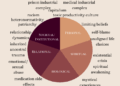

Embark on a journey with A Beginner’s Guide to Creating a Wellness-Focused Lifestyle, diving into the realm of well-being and self-care. This comprehensive guide aims to enlighten you on the essentials of leading a balanced and healthy life.
Delve deeper into the various aspects of wellness, from physical and mental well-being to nurturing emotional health and fostering social connections.
Introduction to Wellness-Focused Lifestyle

A wellness-focused lifestyle revolves around prioritizing holistic well-being, encompassing physical, mental, emotional, and spiritual health. It involves adopting practices and habits that promote balance, vitality, and overall quality of life.
Importance of Adopting a Wellness-Focused Approach
Embracing a wellness-focused approach to life is crucial for maintaining a healthy and fulfilling existence. By prioritizing self-care and well-being, individuals can enhance their overall quality of life and build resilience to cope with life's challenges.
Benefits of Incorporating Wellness Practices into Daily Routines
- Improved physical health: Regular exercise, nutritious diet, and adequate rest can boost immunity, energy levels, and overall physical well-being.
- Enhanced mental clarity: Mindfulness practices, such as meditation and deep breathing, can reduce stress, improve focus, and promote mental clarity.
- Emotional balance: Engaging in activities that promote emotional wellness, like journaling or therapy, can help manage emotions and enhance resilience.
- Increased sense of purpose: Adopting wellness practices can help individuals connect with their values, passions, and goals, leading to a greater sense of purpose and fulfillment.
Physical Wellness
Physical wellness is a crucial component of a wellness-focused lifestyle as it involves taking care of your body through regular physical activity and proper nutrition.
Significance of Physical Activity
Regular physical activity not only helps in maintaining a healthy weight but also improves cardiovascular health, boosts mood, and increases overall energy levels. It can also reduce the risk of chronic diseases such as heart disease, diabetes, and certain types of cancer.
- Walking: A simple yet effective exercise that can be easily incorporated into daily routine.
- Yoga: Combines physical postures, breathing techniques, and meditation to improve flexibility, strength, and mental well-being.
- Strength Training: Helps in building muscle mass, increasing metabolism, and improving bone density.
Nutrition for Physical Wellness
Nutrition plays a crucial role in maintaining physical wellness by providing the body with essential nutrients for optimal functioning. A balanced diet rich in fruits, vegetables, whole grains, lean proteins, and healthy fats can support overall health and fitness goals.
Remember, staying hydrated, limiting processed foods and sugars, and listening to your body's hunger and fullness cues are key aspects of maintaining physical wellness through nutrition.
Mental Wellness

Maintaining mental wellness is crucial for overall well-being as it directly impacts how we think, feel, and act on a daily basis. It involves managing stress, enhancing cognitive function, and fostering emotional resilience.
Strategies for Reducing Stress and Improving Mental Clarity
- Practice deep breathing exercises to calm the mind and reduce stress levels.
- Engage in regular physical activity to release endorphins and boost mood.
- Establish a consistent sleep routine to promote mental clarity and cognitive function.
- Engage in hobbies or activities that bring joy and relaxation to alleviate stress.
- Seek support from friends, family, or a mental health professional when needed.
Impact of Mindfulness and Meditation on Mental Wellness
- Regular practice of mindfulness can help increase self-awareness and reduce negative thought patterns.
- Meditation techniques can promote relaxation, improve focus, and enhance emotional well-being.
- Mindfulness and meditation have been linked to reduced anxiety, depression, and overall better mental health outcomes.
- Incorporating mindfulness practices into daily routine can lead to better stress management and increased mental resilience.
Emotional Wellness
Emotional wellness is a vital component of a wellness-focused lifestyle. It involves recognizing, accepting, and managing your emotions in a healthy way to promote overall well-being.
Connection Between Emotional Health and Wellness
Emotional health plays a significant role in your overall wellness. Unmanaged emotions can lead to stress, anxiety, and other mental health issues, affecting your physical health as well. By prioritizing emotional wellness, you can improve your quality of life and enhance your resilience in facing life's challenges.
- Practice mindfulness: Stay present in the moment to acknowledge and process your emotions effectively.
- Seek support: Talk to friends, family, or a therapist to express your feelings and receive guidance.
- Engage in hobbies: Participating in activities you enjoy can boost your mood and reduce stress.
Role of Self-Care in Nurturing Emotional Well-Being
Self-care practices are essential for nurturing emotional well-being as they help you recharge, relax, and maintain balance in your life.
- Set boundaries: Learn to say no to unrealistic demands and prioritize your own needs.
- Practice self-compassion: Treat yourself with kindness and understanding, especially during tough times.
- Get enough rest: Adequate sleep is crucial for emotional regulation and overall mental health.
Social Wellness
Social connections play a crucial role in promoting overall wellness. Building and maintaining healthy relationships can significantly impact our mental, emotional, and physical well-being. A supportive social network can provide a sense of belonging, reduce stress, and increase feelings of happiness and fulfillment.
Importance of Social Wellness
Having strong social connections can lead to improved self-esteem, better communication skills, and reduced feelings of loneliness and isolation. It can also enhance our sense of empathy and compassion towards others, fostering a positive outlook on life.
Ways to Build and Maintain Healthy Relationships
- Nurture existing relationships by staying in touch regularly and showing genuine interest in others' lives.
- Join clubs, groups, or classes that align with your interests to meet like-minded individuals and form new connections.
- Practice active listening, empathy, and open communication to strengthen bonds with friends, family, and acquaintances.
- Set boundaries and prioritize relationships that are mutually respectful, supportive, and beneficial for your overall well-being.
Impact of a Supportive Social Network
A supportive social network can provide emotional support during difficult times, offer different perspectives on challenges, and celebrate successes together. It can also encourage healthy habits, promote a sense of community, and contribute to a more fulfilling and balanced life.
Environmental Wellness
Environmental wellness refers to the quality of our surroundings and how they impact our overall well-being. A healthy and sustainable living environment plays a crucial role in maintaining good physical, mental, and emotional health. By creating a harmonious relationship with our surroundings, we can enhance our overall wellness and lead a more fulfilling life.
Creating a Healthy and Sustainable Living Environment
To promote environmental wellness and create a healthy living space, consider the following tips:
- Reduce waste and recycle materials to minimize environmental impact.
- Use energy-efficient appliances and lighting to conserve resources.
- Incorporate plants into your living space to improve air quality and promote a sense of tranquility.
- Avoid the use of harsh chemicals and opt for natural cleaning products to reduce indoor air pollution.
- Spend time outdoors and connect with nature to recharge and rejuvenate your mind and body.
Benefits of Spending Time in Nature for Overall Wellness
Spending time in nature offers numerous benefits for our overall wellness, including:
- Reduced stress levels and improved mental clarity.
- Enhanced physical health through activities like hiking, biking, or simply walking in natural surroundings.
- Increased creativity and inspiration from the beauty of the natural world.
- Boosted immune system and improved mood from exposure to fresh air and sunlight.
- A deeper connection with the environment, leading to a greater sense of purpose and well-being.
Holistic Wellness
Holistic wellness encompasses the idea of treating the whole person, considering all aspects of one's well-being to achieve overall health and balance in life.
Integrating Various Aspects of Wellness
By integrating physical, mental, emotional, social, and environmental wellness, individuals can create a more balanced and harmonious lifestyle. When all these aspects are addressed and nurtured, it can lead to improved overall well-being.
Examples of Holistic Practices
- Yoga and meditation: These practices not only help improve physical health but also promote mental clarity and emotional well-being.
- Healthy eating habits: Eating a balanced diet not only benefits physical health but also has a positive impact on mental and emotional wellness.
- Connecting with nature: Spending time outdoors and immersing oneself in nature can enhance environmental wellness, while also providing mental and emotional rejuvenation.
- Community involvement: Engaging with others in a social context fosters social wellness and can contribute to a sense of belonging and purpose.
Final Conclusion
Concluding our exploration of A Beginner’s Guide to Creating a Wellness-Focused Lifestyle, remember that wellness is not a destination but a continuous path. By incorporating these practices into your daily routine, you pave the way for a healthier and more fulfilling life.
FAQ Corner
How can I start incorporating wellness practices into my daily routine?
Start small by setting achievable goals, such as taking a short walk each day or practicing deep breathing exercises for a few minutes.
What are some effective strategies for reducing stress in daily life?
Engage in activities like yoga, meditation, or journaling to help manage stress levels and promote mental well-being.
Why is social wellness important in overall well-being?
Building and maintaining positive relationships can boost mental health, reduce feelings of isolation, and enhance overall quality of life.