

Exploring the realm of Trulicity side effects and what patients should be mindful of, this introduction sets the stage with a captivating narrative that intrigues readers right from the start.
Detailing the essence of Trulicity and its common uses, this paragraph aims to provide a comprehensive understanding of the topic.
Trulicity Side Effects Overview
Trulicity is a medication commonly prescribed to help manage blood sugar levels in patients with type 2 diabetes. It belongs to a class of drugs known as GLP-1 receptor agonists and is often used in conjunction with diet and exercise to control blood sugar levels.Patients should be aware of potential side effects associated with Trulicity to monitor for any adverse reactions and seek medical attention if necessary.
While not everyone will experience side effects, it is important to be informed about the possible risks.
Most Common Side Effects of Trulicity
- Nausea
- Diarrhea
- Vomiting
- Abdominal pain
- Decreased appetite
Gastrointestinal Side Effects
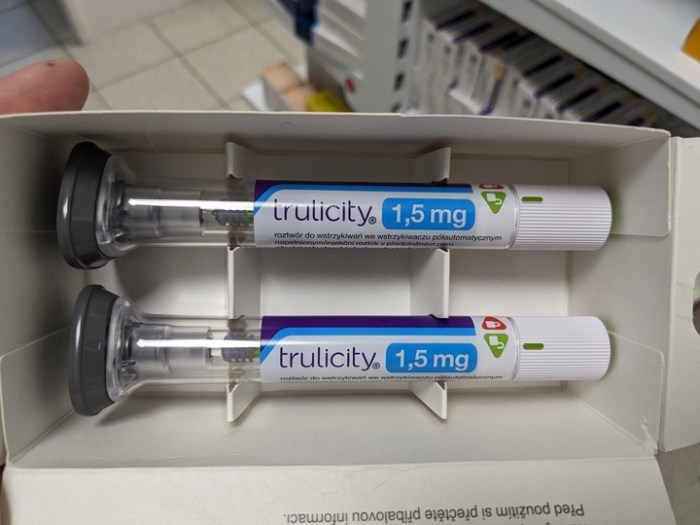
Trulicity, like many medications, can have gastrointestinal side effects that patients should be aware of. These side effects are common and may impact a patient's overall experience with the medication.
Common Gastrointestinal Side Effects
- Nausea
- Vomiting
- Diarrhea
- Constipation
Gastrointestinal side effects such as nausea, vomiting, diarrhea, and constipation are frequently reported by patients taking Trulicity. These symptoms can vary in severity and may affect individuals differently.
Management of Gastrointestinal Side Effects
- Stay hydrated by drinking plenty of water.
- Eat smaller, more frequent meals to help with nausea and vomiting.
- Incorporate fiber-rich foods to alleviate constipation.
- Discuss any persistent symptoms with your healthcare provider for guidance.
Patients can manage or alleviate gastrointestinal side effects by making simple adjustments to their diet and lifestyle. It is essential to communicate any concerns or persistent symptoms with a healthcare provider for proper management.
Comparison of Gastrointestinal Side Effects
- Gastrointestinal side effects of Trulicity, such as nausea and diarrhea, are generally considered mild to moderate in severity.
- When compared to other common side effects of Trulicity, gastrointestinal symptoms are often more manageable and temporary.
Injection Site Reactions
Patients using Trulicity may experience injection site reactions, which are common side effects associated with this type of medication. These reactions typically include redness, itching, pain, or swelling at the injection site.
Potential Injection Site Reactions
- Redness at the injection site
- Itching or irritation
- Pain or tenderness
- Swelling or lumps
Tips for Minimizing Discomfort
- Rotate injection sites to avoid overusing one area
- Apply a cold pack to the injection site before and after administering the injection
- Ensure proper injection technique as instructed by your healthcare provider
When to Seek Medical Attention
- If the injection site reaction worsens or does not improve over time
- If you notice signs of infection such as increased redness, warmth, or drainage
- If you experience severe pain, blistering, or skin changes at the injection site
Hypoglycemia Risk
Hypoglycemia, or low blood sugar, is a potential risk associated with taking Trulicity. It is essential for patients to be aware of the symptoms of hypoglycemia and how to manage this risk effectively. Let's explore how the risk of hypoglycemia with Trulicity compares to other similar medications.
Symptoms of Hypoglycemia and Management
- Common symptoms of hypoglycemia include sweating, shakiness, weakness, dizziness, hunger, confusion, and irritability.
- Patients can manage hypoglycemia by consuming fast-acting carbohydrates such as glucose tablets, fruit juice, or candy.
- It is important to regularly monitor blood sugar levels and follow a balanced diet to help prevent episodes of hypoglycemia.
Likelihood of Hypoglycemia with Trulicity vs. Other Medications
- Trulicity has a lower risk of causing hypoglycemia compared to certain other diabetes medications, such as insulin or sulfonylureas.
- However, the risk of hypoglycemia may increase if Trulicity is used in combination with other medications that lower blood sugar levels.
- Patients should always consult their healthcare provider to determine the most appropriate treatment plan to minimize the risk of hypoglycemia.
Allergic Reactions
Allergic reactions are serious side effects that can occur when using Trulicity. It is crucial for patients to be aware of the signs of an allergic reaction and to seek immediate medical help if one occurs.
Signs of Allergic Reactions
Allergic reactions to Trulicity may include symptoms such as hives, itching, rash, difficulty breathing, swelling of the face, lips, tongue, or throat. In severe cases, anaphylaxis can occur, leading to a rapid and potentially life-threatening allergic reaction.
Importance of Seeking Immediate Medical Help
If a patient experiences any signs of an allergic reaction while using Trulicity, it is essential to seek immediate medical attention. Delay in treatment can result in worsening symptoms and complications.
Management of Allergic Reactions
Healthcare providers typically manage allergic reactions to Trulicity by discontinuing the medication and providing appropriate treatment to alleviate symptoms. This may include administering antihistamines, corticosteroids, or epinephrine in severe cases to prevent further complications.
Closure
![Trulicity Eye Side Effects Lawsuit [2025 Update] | King Law](https://health.lintaspromedia.com/wp-content/uploads/2026/01/Trulicity-Side-Effects-Common-Serious-Long-term.png "Trulicity Eye Side Effects Lawsuit [2025 Update] | King Law")
Concluding our discussion on Trulicity side effects, this final paragraph encapsulates the key points discussed and leaves readers with a lasting impression.
FAQ Section
What are some common side effects of Trulicity?
Common side effects include nausea, diarrhea, and abdominal pain.
How can patients manage gastrointestinal side effects of Trulicity?
Patients can try adjusting their diet, staying hydrated, and consulting their healthcare provider for guidance.
What are the symptoms of hypoglycemia associated with Trulicity?
Symptoms may include sweating, dizziness, and confusion.
When should patients seek medical attention for injection site reactions?
Patients should seek medical help if they experience severe pain, swelling, or signs of infection at the injection site.